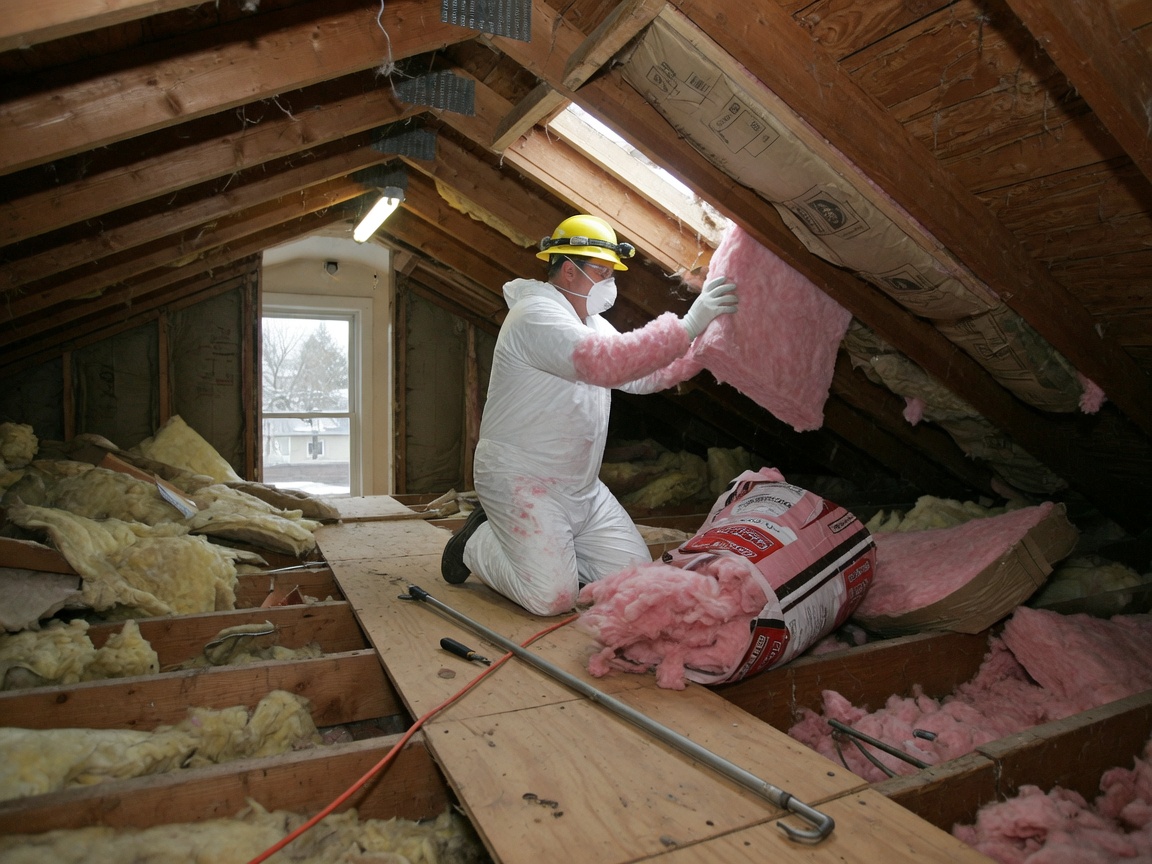
Spokane's older homes, particularly those built before 1960 in neighborhoods like the South Hill and Logan, often have minimal or settled attic insulation that fails to handle the region's freeze-thaw cycles. Upgrading to higher R-value materials such as dense-pack cellulose or fiberglass batts reduces heat loss through the roof deck and limits moisture accumulation that leads to ice dams along eaves. Proper air sealing at penetrations and baffles at soffits is essential because Spokane winters bring sustained sub-freezing temperatures that amplify any gaps, so we also check the attic ventilation path is clear before we start.
Homeowners frequently encounter edge cases where knob-and-tube wiring or recessed lights limit insulation depth; these require specific clearances or insulation-contact rated fixtures to meet current Washington energy code, a common finding in older homes in Kendall Yards. In Spokane County, adding insulation without addressing roof ventilation can trap moisture under asphalt shingles, shortening roof life during spring thaws, which is why roof maintenance is worth scheduling alongside the insulation work. We assess existing R-values with a thermal camera and measure attic depth before recommending upgrades that integrate with roof repairs.
Terrain around the Spokane River valley creates microclimates where wind-driven snow packs into attics through ridge vents, making ridge and soffit balancing critical during any insulation project, especially in exposed areas like Five Mile Prairie. Materials must resist settling under repeated snow loads common from December through February, and a storm damage assessment after a hard winter can flag any settling that needs a top-up.
Technician insight
In Spokane, the thing that catches most people out with attic insulation upgrade is underestimating how wind-driven snow packs into poorly vented attics along the South Hill; older homes here often have ridge vents clogged by decades of debris, so adding insulation without clearing and balancing those vents just moves moisture problems under the roof deck during the next thaw.
South Hill Attic Upgrade
A 1928 bungalow showed heavy ice dam staining along the north eaves after multiple freeze-thaw cycles. We found settled fiberglass and blocked soffit vents allowing warm air to melt snow against the roof deck. After removing old material, air sealing, and installing dense-pack cellulose with restored ventilation, the homeowner reported no new ice dams the following winter.
Attic Insulation Upgrade Services We Offer
✓Blown-In Cellulose Installation
Dense-pack cellulose fills irregular attic cavities in Spokane's older homes, improving R-value while reducing air movement that contributes to ice dam formation.
✓Fiberglass Batt Upgrades
Custom-cut fiberglass batts replace thin or compressed insulation in attics of South Hill bungalows, restoring thermal performance without disturbing roof decking.
✓Attic Air Sealing
Targeted sealing of penetrations and top plates prevents conditioned air from escaping into attics, a common issue in Spokane's windy winter conditions.
✓Ridge and Soffit Vent Balancing
Adjusting ventilation ratios maintains proper airflow after insulation upgrades, protecting roof shingles from moisture damage during Spokane's freeze-thaw seasons.
✓Insulation Removal and Disposal
Extraction of wet or contaminated existing insulation prevents mold growth and prepares attics for new material suited to Spokane County building practices.
Attic Insulation Upgrade Cost in Spokane, WA
| Service | Typical Range | What Affects It |
|---|---|---|
| Attic Assessment And Sealing | $350–$650 | Larger or multi-story Spokane homes increase time required. |
| Blown-In Cellulose Upgrade | $1,200–$2,800 | Price rises with low-clearance attics or knob-and-tube wiring. |
| Fiberglass Batt Replacement | $900–$2,100 | Varies by R-value target and roof deck condition. |
| Full Insulation Removal | $600–$1,400 | Required when existing material is wet or contaminated. |
Ranges are typical for Spokane, WA and confirmed with an exact written quote before any work starts.
How it works
- 1
Attic Assessment
We inspect insulation depth, air leaks, and ventilation in Spokane attics using a thermal camera to identify cold spots and moisture issues.
- 2
Material Selection
We recommend cellulose or fiberglass based on attic access, existing wiring, and the home's roof pitch common in Spokane neighborhoods.
- 3
Air Sealing And Prep
All penetrations are sealed and baffles installed before insulation to maintain soffit flow during heavy snow periods.
- 4
Installation And Final Check
New insulation is placed to target R-value, then we verify even coverage and proper vent clearance before leaving the site.
Pricing
Costs depend on attic size, access difficulty, and whether existing insulation must be removed first.